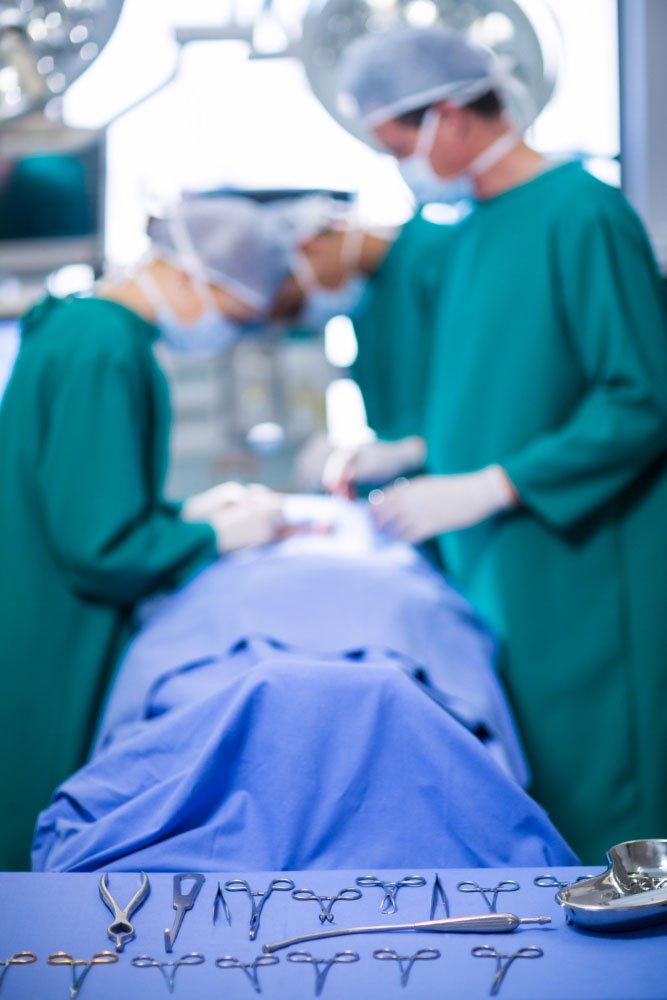
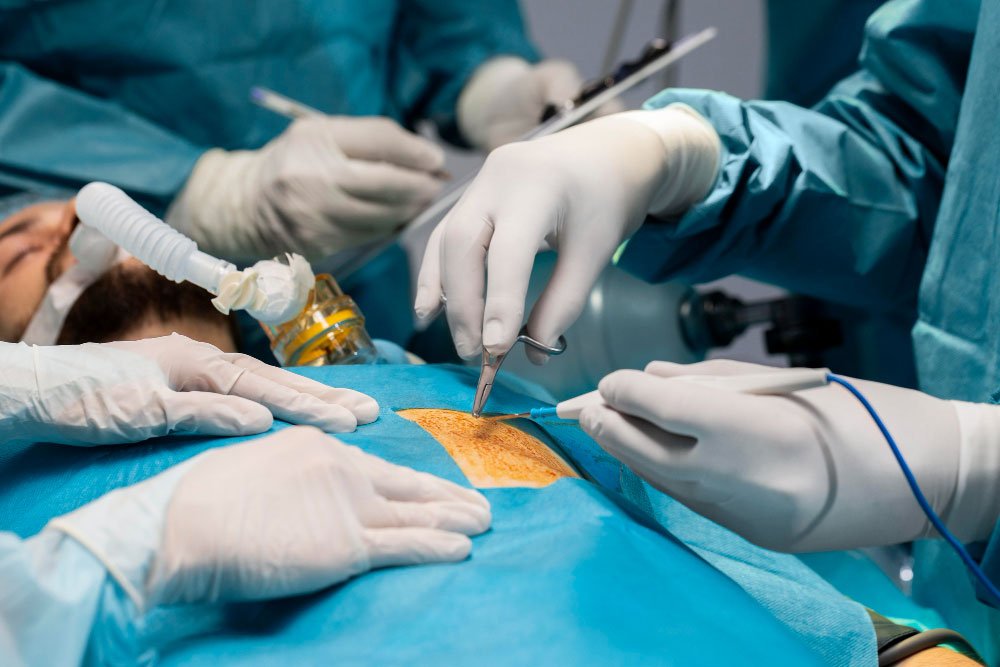
Surgical care plays a vital role in restoring health and improving quality of life. At Shraddha Aarogya Mandir, the General and Laparoscopy Surgery Department is led by Dr. Rishi Shah, an experienced general surgeon known for his precision, patient care, and use of minimally invasive techniques.
Whether it’s a routine procedure or a complex surgical condition, our team focuses on delivering safe, effective, and evidence-based treatment.
Expertise in General Surgery
General surgery covers a wide range of health conditions. Dr. Rishi Shah specializes in:
Appendix and gallbladder surgery
Hernia repair (inguinal, umbilical, incisional)
Piles, fissures, and fistula treatment
Thyroid and breast surgery
Abscess drainage and minor surgical procedures
Abdominal trauma and emergency surgeries
Advanced Laparoscopic Surgery
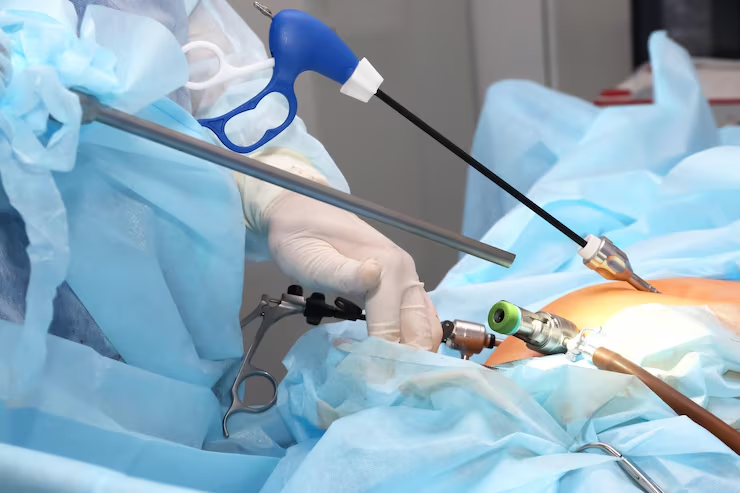
Laparoscopy, also called minimally invasive surgery, allows surgeons to operate through small incisions using advanced instruments and a camera system. This method reduces pain, speeds up recovery, and leaves minimal scarring.
Benefits of Laparoscopic Surgery:
Shorter hospital stay
Faster healing time
Less post-operative pain
Reduced risk of infection
Smaller scars
At our hospital, laparoscopic procedures are performed for gallbladder stones, hernia repair, appendix removal, and other abdominal conditions. Patients looking for laparoscopic surgery in Vapi and nearby areas like Chala often choose Shraddha Aarogya Mandir for its modern facilities and skilled surgical team.
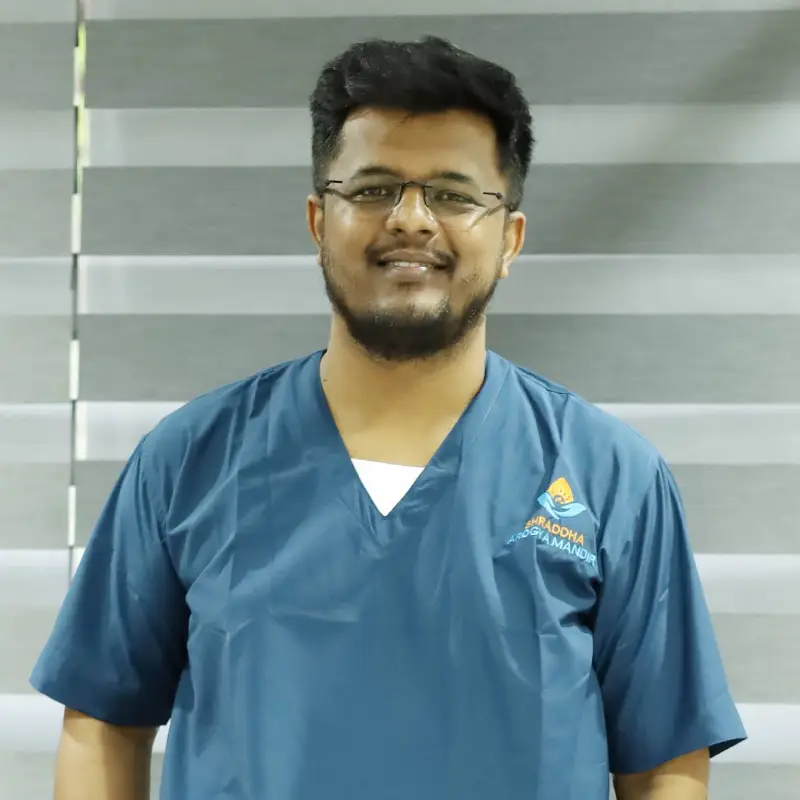
Dr. Rishi Shah
General & Laparoscopic Surgeon
Expertise of Dr. Rishi Shah
Expertise of Dr. Rishi Shah
Dr. Rishi Shah is a skilled General and Laparoscopy Surgeon at Shraddha Aarogya Mandir Multispeciality Hospital, Vapi. With extensive experience in minimally invasive and open surgical procedures, Dr. Rishi Shah focuses on delivering safe, effective care with quick recovery for patients facing abdominal, hernia, and emergency surgical needs. He is known for his expertise, clear patient communication, and a commitment to surgical excellence in the Vapi region.
Dr. Rishi Shah’s Specialties:
General Surgery – Comprehensive surgical care for abdominal and soft tissue conditions
Laparoscopic Surgery – Minimally invasive procedures including gallbladder, hernia, and appendix surgeries
Emergency Surgical Care – Management of acute abdominal emergencies and trauma cases
Colorectal Surgery – Treatment for piles, fistula, fissures, and other anorectal disorders
Post-operative Care – Personalized recovery plans to ensure fast and safe healing
Laparoscopic surgery is a minimally invasive technique using small keyhole incisions, a camera, and specialized instruments. It causes less pain, smaller scars, shorter hospital stays, and faster recovery compared to traditional open surgery.
Typical procedures include gallbladder removal (cholecystectomy), hernia repair, appendix removal (appendectomy), colon surgery, and treatment of piles or fistula. Many of these can be done laparoscopically if suitable.