Patients searching for an experienced heart doctor in Vapi often choose Shraddha Aarogya Mandir for its balance of expertise, technology, and patient care.
Advanced Diagnostic Facilities
Accurate diagnosis is the first step to effective treatment. Our cardiology department offers a range of advanced diagnostic tools to detect and monitor heart conditions.
Diagnostic Tests Available
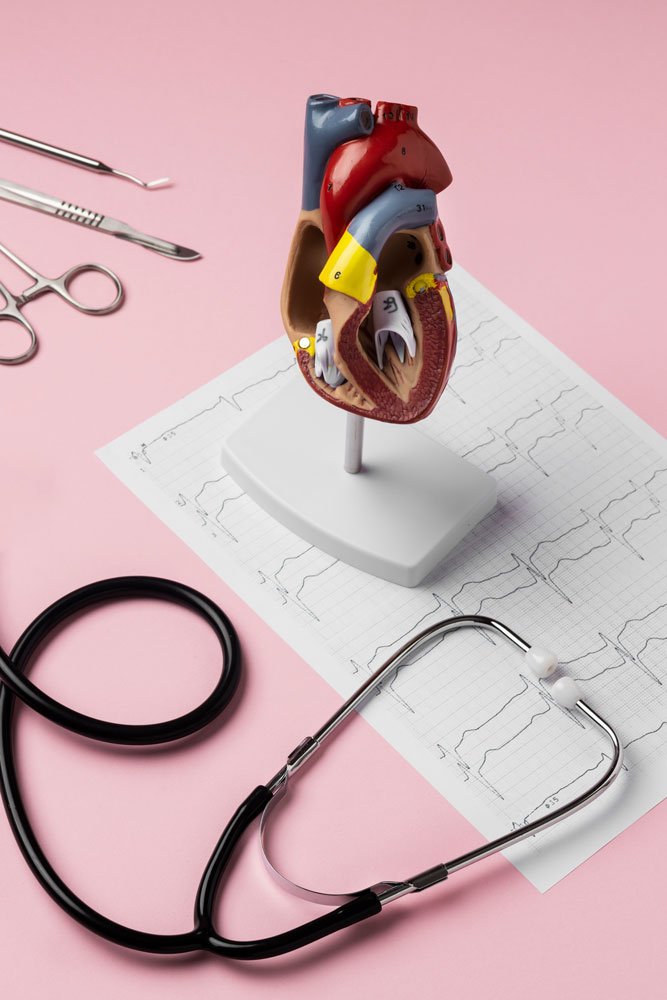
Electrocardiogram (ECG/EKG) – To record the heart’s electrical activity
2D Echocardiography – To assess heart structure and pumping function
Treadmill Test (TMT/Stress Test) – To evaluate how the heart performs under exertion
Holter Monitoring – For 24-hour heart rhythm tracking
Blood Tests & Lipid Profiles – For cholesterol and cardiac markers
For patients searching “cardiac check-up in Vapi”, Shraddha Aarogya Mandir provides reliable and affordable options under expert supervision.
Emergency Cardiac Care
Heart attacks and cardiac emergencies require immediate attention. Shraddha Aarogya Mandir offers 24x7 emergency cardiac care in Vapi, supported by advanced ICU facilities and a rapid response team.
Emergency Services Include
Immediate management of chest pain and suspected heart attacks
Emergency ECG and blood tests for cardiac enzymes
Fast-tracked angiography and interventional procedures when needed
ICU monitoring and post-emergency rehabilitation
Families searching “best hospital in Vapi for heart emergency” trust Shraddha Aarogya Mandir for its quick response and skilled cardiology team.
Dr. Rahul Shah
Consultant Cardiologist
Expertise of Dr. Lokesh Thakkar
Expertise of Dr. Rahul Shah
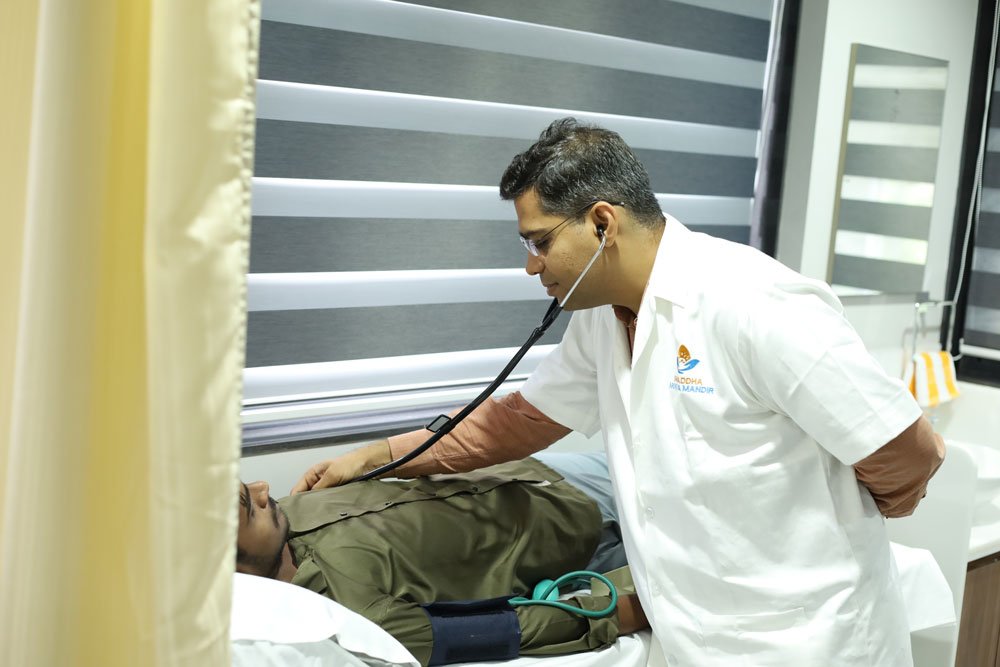
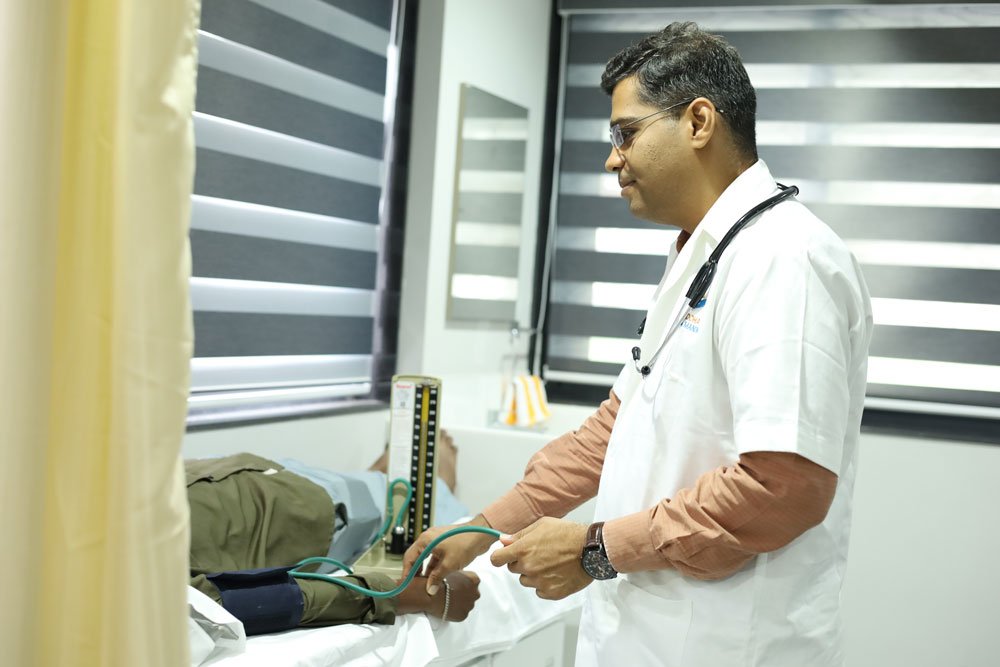
The strength of our department lies in the expertise of Dr. Rahul Shah, a trusted cardiologist in Vapi. With years of experience in managing both emergency and chronic cardiac cases, he provides patients with precise diagnoses and treatment plans.
Dr. Rahul Shah’s Specialties:
Interventional Cardiology – Angiography, angioplasty, and stent placement
Heart Failure Management – Long-term care for weakened heart muscles
Arrhythmia Care – Treatment for irregular heartbeats and rhythm disorders
Preventive Cardiology – Lifestyle and medication strategies to avoid future heart disease
His patient-first approach ensures that individuals and families receive not just treatment, but also clear guidance on heart-healthy living.
Several factors increase your risk of heart disease including high blood pressure, diabetes, smoking, obesity, poor diet, physical inactivity, and family history. You can lower your risk by eating plenty of fruits and vegetables, exercising regularly, avoiding tobacco, managing weight, and controlling blood sugar and cholesterol through lifestyle changes and medication as needed.
If you experience chest pain, shortness of breath, palpitations, unexplained fatigue, or have known risk factors like high blood pressure or diabetes, you should consult a cardiologist. They specialize in heart and vascular conditions and can order tests to diagnose or rule out problems before they become serious.
Common tests include Electrocardiogram (ECG) to check heart rhythm, Echocardiogram (ultrasound of the heart), Stress test to monitor heart response to exercise, Blood tests for cholesterol and enzymes, and Coronary angiogram to look at blood flow in heart arteries. Your doctor will recommend tests based on your symptoms and risk profile.
Having a close family member with heart disease increases your likelihood of developing it, especially at a younger age. This genetic risk makes it important to maintain a healthy lifestyle and have regular screenings. Early detection allows for timely intervention to avoid complications.
Treatment depends on the type and severity of the condition and may include lifestyle modifications (diet, exercise), medications (blood pressure, cholesterol, blood thinners), interventional procedures (angioplasty, stents), or surgery (bypass, valve repair). Your cardiologist will tailor a plan that balances benefits and risks for your overall health.